Bamboo removal

Bamboo removal 01883 336602 07799 412005
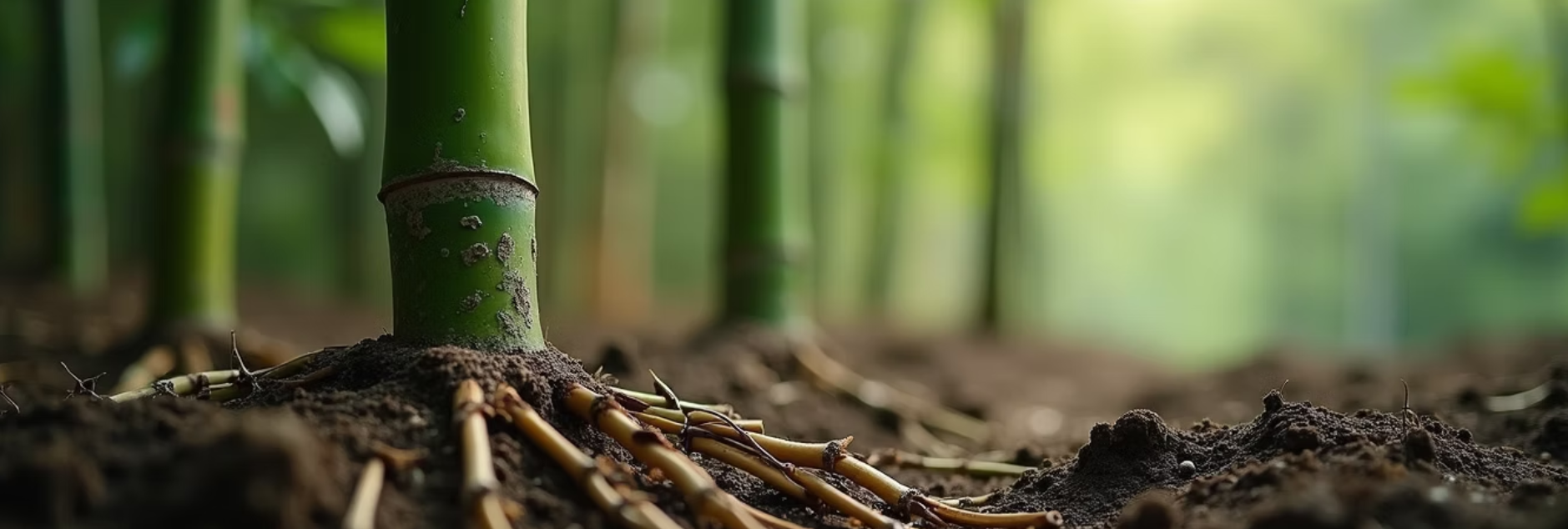
If bamboo removal is being treated like ordinary garden clearance, the problem usually comes back. Fast-growing bamboo can spread beyond beds, lift edging, push under fences and create disputes with neighbours when rhizomes move across boundaries.

For property owners, the main risk is assuming visible canes are the whole issue. They are not. The real problem sits below ground, where dense rhizome networks can travel well beyond the original planting area. Cutting bamboo down may make a garden look tidier, but it rarely deals with the source.

Why bamboo removal often fails
Most failed bamboo removal starts with incomplete excavation or repeated cutting without a long-term plan. Even small sections of live rhizome left in the soil can regenerate. That is why a proper assessment matters first, especially near patios, outbuildings, retaining edges and shared boundaries.

Where bamboo has spread into neighbouring land, removal also becomes a documentation issue as much as a site issue. Clear measurements, mapped affected areas and photographic evidence help establish extent, support decisions and reduce the chance of future disagreement.

What effective bamboo removal should include
A specialist approach begins with an on-site survey to confirm spread, identify likely rhizome travel and assess risks to surrounding structures and boundaries. From there, the right solution depends on the site. In some cases, controlled excavation and safe disposal are appropriate. In others, a phased treatment and monitoring plan is the better route, particularly where access is restricted or spread reaches beyond a simple garden bed.

What matters is having a structured process, not a quick tidy-up. Property owners, landlords and buyers need clarity on what is present, how far it has travelled and what happens next.

When speed matters most
Bamboo becomes more urgent when a sale, purchase or boundary concern is already in play. At that point, informal advice is rarely enough. A formal survey report with photographs, mapped observations and measured findings gives you something practical to act on.

At Japanese Knotweed Group Ltd, that process is built around rapid surveying, next-day paperwork and clear treatment recommendations designed to protect property value and support informed decisions.

If bamboo is spreading, the safest next step is to confirm the extent before more cutting, digging or disposal makes the problem harder to manage.
Bamboo survey

If you have fast-growing canes near a boundary, outbuilding or garden structure, a Bamboo survey gives you something far more useful than guesswork - measured evidence. That matters when growth is spreading into neighbouring land, lifting surfaces, or raising questions during a sale.

Bamboo is often dismissed as a gardening nuisance. In reality, unmanaged clumping or running bamboo can become a property issue. Rhizomes may travel beneath fences, patios and beds, leading to disputes, expensive clearance work and concern from buyers who want formal confirmation of the extent of spread.

What a Bamboo survey should cover
A proper survey needs to do more than confirm that bamboo is present. It should record where it is growing, how far it has spread, whether rhizomes are visible or suspected beyond the main stand, and which parts of the site are at risk. That includes beds, lawns, boundary lines, neighbouring fence lines and any area where underground spread could affect hard surfaces or adjoining property.

Clear documentation is the difference between a useful inspection and an informal opinion. A written report, site measurements, mapping and photographic evidence create a practical record you can act on. For owners, landlords and buyers, that provides a clear basis for removal, containment or ongoing management.

When to book a bamboo survey
The right time is usually sooner than people think. If shoots are appearing away from the original planting area, if a neighbour has raised a complaint, or if a transaction is approaching, delay rarely helps. Bamboo can expand quietly below ground before new growth becomes obvious on the surface.

A survey is also sensible if you are unsure whether the plant is bamboo at all. Misidentification is common, and the wrong response can waste time while the problem spreads.

What happens after the survey
Once the site has been inspected, the next step should be straightforward. You need a report that sets out the findings clearly and explains the recommended response. In some cases, that may mean targeted removal and safe disposal. In others, it may require a structured treatment and monitoring plan where spread is more established.

For property-related issues, speed matters. Formal paperwork, photographs and mapped observations help support decisions quickly, especially where value, liability or a pending sale is involved. That is why Japanese Knotweed Group Ltd focuses on rapid surveying, next-day reporting and practical follow-up action rather than vague advice.

If bamboo is starting to affect your land, the priority is simple: confirm the extent, document the risk, and deal with it before it becomes a larger boundary or property problem.
Bamboo treatment plan
Bamboo treatment often starts too late - usually when shoots appear through lawns, borders or along a shared fence line. By that point, the issue is no longer cosmetic. It is a property management problem that can affect neighbouring land, hard surfaces and future saleability if it is not handled properly.

Why bamboo treatment needs a proper plan
Running bamboo spreads through underground rhizomes, and simple cutting rarely solves it. In fact, repeated trimming can hide the extent of the problem while the root system continues to move beneath patios, beds and boundary edges. Clumping bamboo is generally less aggressive, but it can still become difficult to manage if it has been left unchecked for years.

The right response depends on what is growing, how far it has spread and whether it has crossed into adjoining land. That is why a professional site assessment matters. A clear inspection should record the visible growth, the likely rhizome spread, the risk to nearby structures and boundaries, and whether excavation, herbicide treatment or combined management is the better route.

What effective bamboo treatment involves
Good bamboo treatment is structured, not improvised. For lighter infestations, a controlled herbicide programme may reduce active growth over time, but it usually requires repeat visits and monitoring. For more established infestations, excavation is often the faster and more reliable option, particularly where rhizomes have moved under paving or towards neighbouring gardens.

Disposal also matters. Cut canes and excavated material should be handled carefully to avoid accidental spread or poor site hygiene. Where there is a property transaction involved, informal gardening work is unlikely to provide the reassurance a buyer, surveyor or managing agent needs.

When to act
If bamboo is spreading near a boundary, pushing up through hardstanding or creating a dispute with a neighbour, delaying treatment usually increases cost and disruption. Early intervention gives you more options and makes it easier to contain the problem before deeper excavation is required.

For homeowners, landlords and site managers, the key is documentation as well as treatment. A measured survey, photographic evidence and a clear management recommendation provide a record of the issue and a practical basis for next steps. That is especially useful where property value, liability or future works are a concern.

If you are unsure whether the growth on your land is manageable or already invasive, the safest move is to get it assessed before it spreads further.